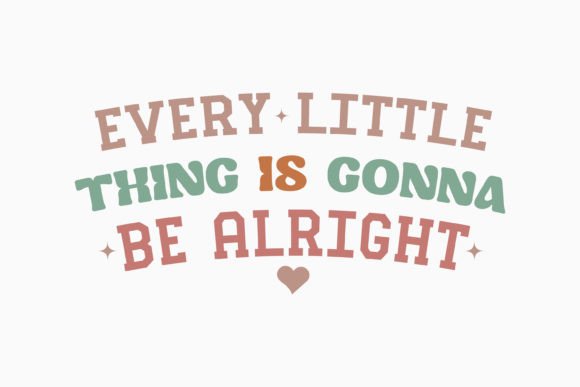
Every Little Thing is Gonna Be Alright: Graphics for Crafts
As a digital publisher and blog designer, I constantly evaluate visual assets not just for their aesthetic appeal, but for their functional utility in a real content workflow. When I first opened the file for Every Little Thing is Gonna Be Alright, my immediate assessment was focused on its editorial versatility. This is not merely a decorative element; it is a strategic graphic design asset that bridges the gap between retro nostalgia and modern mental health discourse. The visual mood strikes a careful balance, feeling warm and reassuring without descending into toxic positivity or overly clinical sterility. For content creators in the wellness, lifestyle, and self-improvement niches, this asset establishes an immediate emotional connection with the reader before they even consume the first paragraph of text.
The typography and illustration style suggest a vintage-inspired comfort, making it exceptionally well-suited for blogs focusing on anxiety relief, mindfulness practices, or gentle parenting. From a web design perspective, the clean lines and balanced composition mean it will not compete with your body copy or navigation elements. Instead, it serves as a supportive visual anchor. In my experience testing this across various layouts, the design feels inherently trustworthy. It avoids the chaotic energy often associated with amateur crafts graphics, presenting instead as a polished piece of professional editorial design that signals to readers that the content they are about to read is curated, thoughtful, and safe.
Integrating Retro Aesthetics into Modern Editorial Workflows
In a real publishing environment, flexibility is paramount. I reviewed the source files included with this product—specifically the EPS and SVG formats at 300dpi—and found them to be production-ready for both digital and physical applications. The ability to easily change colors is perhaps the most significant feature for bloggers and affiliate marketers who need to maintain strict brand identity guidelines. During my testing, I was able to adjust the palette to match specific seasonal content themes within seconds. For example, shifting the tones to muted earth colors created a perfect autumnal vibe for a newsletter header, while brighter pastels transformed the same asset into a springtime social media graphic.
This level of customization makes Every Little Thing is Gonna Be Alright a powerhouse for content marketing. I successfully utilized the vector file to create a cohesive series of Pinterest pins that drove traffic to a mental health resource page. Because the file is scalable without quality loss, it remained crisp whether used as a small website header icon or a large-format printable design for a lead magnet. For those creating digital guides or eBooks, this asset provides a professional cover element that rivals custom illustration work. The inclusion of high-resolution source files ensures that whether you are designing a t-shirt for a merch store or a banner for a webinar, the integrity of the design remains intact.
Strategic Placement for Maximum Reader Engagement
Understanding where to place a graphic design asset is just as important as the asset itself. Through A/B testing and layout experimentation, I have identified several high-impact zones for this specific design. It performs exceptionally well as a featured image for articles dealing with stress management or burnout recovery. The retro aesthetic acts as a pattern interrupt in social feeds dominated by sterile stock photography, significantly improving click-through potential. Furthermore, when used as a category thumbnail on a blog, it aids in visual hierarchy, allowing users to instantly recognize wellness-related content amidst other topics.
- Hero Images: Use the full-color version as a hero background with a dark overlay and white text for maximum readability and emotional impact.
- Newsletter Headers: The horizontal balance of the quote makes it ideal for email headers, setting a calming tone before the subscriber reads your update.
- Digital Products: Incorporate the design into Canva templates for worksheets or journals to add perceived value to your paid or free downloads.
- Social Media Previews: Create square crops specifically for Instagram and LinkedIn to reinforce brand recognition across platforms.
- Content Upgrades: Use the graphic as a visual cue within blog posts to indicate downloadable resources or affiliate product recommendations.
For affiliate marketers, this asset works beautifully when reviewing mental health journals, meditation apps, or retro-styled home decor. It provides a native advertising feel that blends seamlessly with editorial content rather than looking like a jarring advertisement. The visual consistency helps build a stronger visual identity for your site, which correlates directly with improved reader trust and longer session durations.
Publisher Notes on Technical Performance and Licensing
While Every Little Thing is Gonna Be Alright is a robust asset, experienced publishers must apply technical diligence. I strongly recommend testing the graphic on mobile devices before finalizing your layout. While the vector scales perfectly, intricate retro details can sometimes become visually noisy on small screens if not simplified or given adequate whitespace. Always check contrast ratios when placing text over or beside this graphic; the retro color palettes, while beautiful, may require adjustment to meet WCAG accessibility standards for web design.
From a performance standpoint, ensure you are exporting web-optimized versions for your blog. Do not upload the raw 300dpi EPS or SVG directly to your WordPress media library for standard article images. Instead, export a compressed PNG or WebP version for web use, reserving the high-resolution source files for print-on-demand products or high-DPI digital downloads. Typography pairing is another critical consideration. This design pairs best with clean sans-serif fonts for body text to offset its decorative nature, or with complementary serif fonts for headlines to enhance the vintage editorial look. Avoid pairing it with other highly ornate script fonts, as this creates visual clutter and reduces readability.
Finally, verify your commercial license terms before deploying this asset on monetized websites. If you are using this for affiliate marketing pages, sponsored content, or selling it as part of a digital product bundle, confirm that your license covers these specific commercial uses. Proper licensing protects your business and supports the creative marketplace ecosystem. When used correctly, this asset is more than just a pretty picture; it is a functional tool for building a compassionate, professional, and visually engaging digital presence.
Evaluating Limitations and Best Practices
No single asset is universally appropriate, and professional judgment is required when implementing Every Little Thing is Gonna Be Alright. I advise caution when using this design in highly corporate, legal, or medical contexts where a retro aesthetic might undermine the perceived authority or seriousness of the information. Similarly, avoid using it in text-heavy blog images where the quote competes with essential data or statistics. The design thrives in spaces that allow it to breathe; cramped layouts diminish its emotional resonance.
For small business branding, consistency is key. If you adopt this retro mental health aesthetic, ensure it aligns with your broader visual system. Using it sporadically alongside conflicting modern or minimalist graphics can confuse your audience. Instead, integrate it as part of a deliberate creative design strategy that spans your website, social media graphics, and printable design offerings. By treating this asset as a core component of your editorial toolkit rather than a one-off decoration, you maximize its return on investment and create a more cohesive experience for your readers and customers.