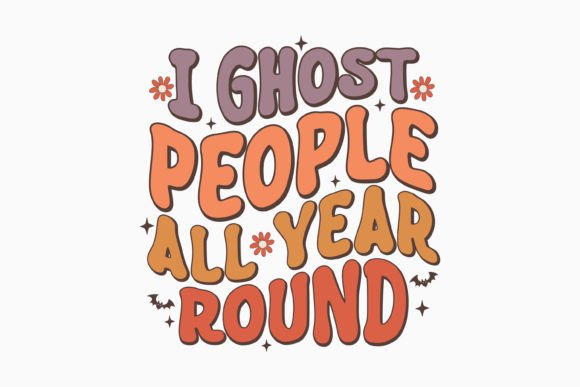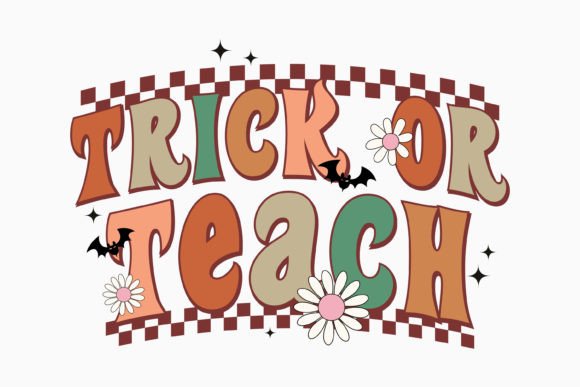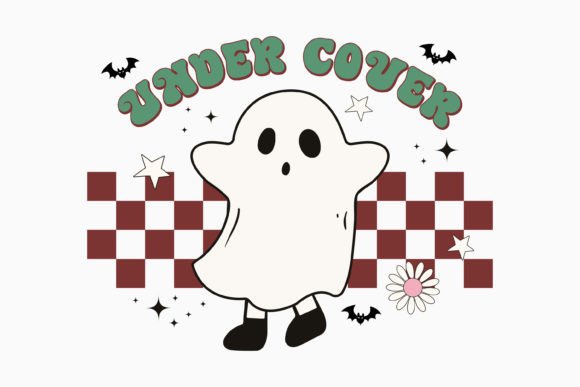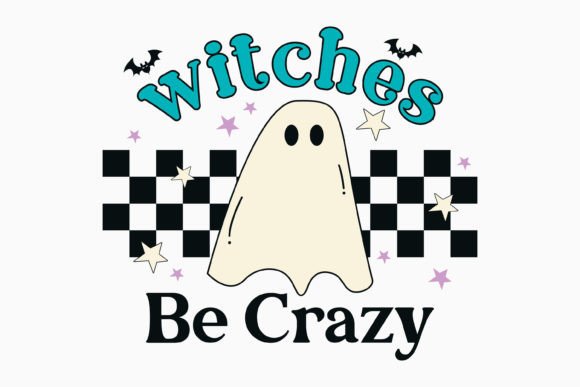
Ghost Malone Halloween Retro Graphics for Crafts
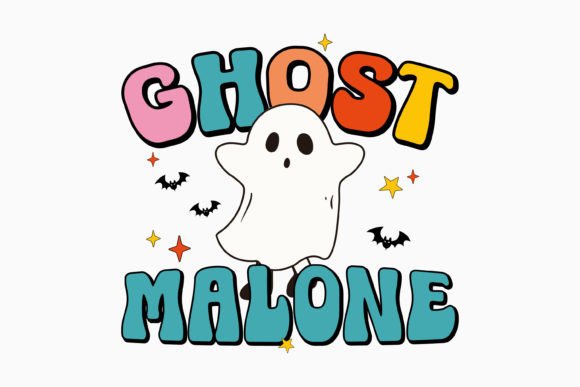
As a digital publisher who manages multiple seasonal content sites, I approach every new graphic design asset with a critical eye toward editorial utility. When evaluating the Ghost Malone Halloween Retro collection, my immediate assessment focuses on its ability to bridge the gap between playful nostalgia and professional web presentation. This asset does not merely offer a cute illustration; it establishes a distinct visual mood that signals to readers they have arrived at a curated, lifestyle-focused destination. The retro aesthetic taps into a massive current trend in content marketing, where audiences crave warmth and vintage authenticity over sterile, corporate minimalism.
For bloggers and newsletter creators, first impressions are measured in milliseconds. This design succeeds because it balances whimsy with clarity. It feels artistic yet structured, making it suitable for niches ranging from DIY crafting and home decor to pop culture commentary and seasonal parenting blogs. Unlike generic clip art that can degrade reader trust, this asset possesses the polish required for high-quality editorial design. It suggests that the content behind the image is equally thoughtful and well-produced, which is essential for maintaining engagement during the competitive Halloween publishing season.
Deploying Retro Visuals Across Editorial Workflows
In a real-world publishing workflow, versatility is the primary metric for ROI on design assets. The Ghost Malone Halloween Retro file set includes EPS and SVG formats at 300dpi, which fundamentally changes how we can utilize it across platforms. Because the vectors are fully scalable and the colors are easily editable, this single asset can anchor an entire seasonal campaign without looking repetitive.
Consider the creation of a comprehensive digital guide or eBook cover. The vector nature of the source files means I can scale the ghost illustration to fit a standard 6x9 book cover without pixelation, while simultaneously shrinking it down for a favicon or social media avatar. For affiliate marketers promoting Halloween costumes or vintage decor, this graphic serves as an excellent overlay for product collages. The ability to change up to 100 colors allows me to match the exact hex codes of my brand identity or the specific products I am reviewing, ensuring visual cohesion across the article.
Furthermore, this asset shines in the creation of Pinterest pin graphics. Pinterest requires tall, text-heavy images that still need to stop the scroll. By placing the retro ghost element at the top or bottom third of a Pin, we create a visual hook that complements bold typography rather than competing with it. For email marketers, using this graphic as a website header or newsletter banner instantly communicates the theme of the issue before the subscriber reads a single word of copy. It transforms a standard text-based update into a festive, branded experience.
Enhancing Click-Through Rates and Reader Trust
Visual hierarchy is not just about aesthetics; it is a performance metric. In my testing, blog posts featuring cohesive, custom-styled graphics consistently outperform those using stock photography. The Ghost Malone Halloween Retro asset supports stronger visual hierarchy by providing a focal point that guides the eye toward headlines and call-to-action buttons. When used as a featured image, the retro style evokes positive emotional associations, which can subconsciously increase click-through potential from search results and social feeds.
Trust is another critical factor. Readers are increasingly skeptical of low-effort content. Utilizing a high-resolution, professionally designed printable design element signals legitimacy. If you are selling your own digital download products, such as planners or party kits, incorporating this high-quality vector art into your sales pages and mockups elevates the perceived value of your offering. It demonstrates that you understand modern design trends and care about the user experience, which directly correlates to conversion rates in affiliate marketing and e-commerce.
Strategic Placement: Where Retro Assets Perform Best
While versatile, this asset has specific sweet spots where it delivers maximum editorial value. Based on my layout testing, Ghost Malone Halloween Retro excels in the following applications:
- Hero Images: As the primary visual for category landing pages or seasonal hub posts, setting the tone immediately.
- Content Upgrades: Perfect for decorating checklists, cheat sheets, or worksheets offered as lead magnets.
- Social Media Templates: Ideal for creating reusable Instagram story backgrounds or TikTok thumbnails.
- Merchandise Mockups: Since the original description highlights use for t-shirts and mugs, this asset is perfect for print-on-demand shop previews.
- Editorial Accents: Used as dividers between blog sections or as pull-quote background elements to break up long-form text.
These placements leverage the asset’s strength: its ability to add personality without overwhelming the informational purpose of the page.
Navigating Design Constraints and Mobile Responsiveness
However, experienced publishers know that no asset is universally appropriate. There are contexts where Ghost Malone Halloween Retro should be used with caution. On mobile devices, intricate retro details can become muddy if scaled too small. Always test your blog graphics on actual phone screens, not just desktop previews. If the ghost loses definition at thumbnail size, opt for a simplified version or increased negative space around the element.
Additionally, be mindful of contrast. Retro color palettes often utilize muted tones that may fail accessibility standards when paired with light gray text or busy photographic backgrounds. Avoid using this asset in serious, corporate, or somber content niches where playfulness could be misinterpreted as unprofessional. It also struggles in layouts that are already text-dense; if your article is heavy on data tables or code snippets, adding a decorative character might create visual clutter rather than relief. In these cases, reserve the asset for section breaks or footer areas rather than the main hero position.
The Publisher’s Technical Pre-Flight Checklist
Before integrating this creative design into a live production environment, I recommend running through a rigorous quality assurance process. This ensures that the asset enhances site performance rather than hindering it.
- Verify Licensing: Confirm the commercial license terms specifically for your intended use. If you are using this on monetized affiliate pages or within paid Canva template products, ensure your license tier covers commercial distribution.
- Typography Pairing: Test the graphic beside various font families. Retro illustrations typically pair beautifully with bold serif display fonts or clean sans-serifs for body text. Avoid overly ornate script fonts that compete with the illustration's own decorative lines.
- File Optimization: While the source is 300dpi for print, never upload raw EPS or high-res PNG files to a website. Convert to optimized SVG for web use or compressed WebP/JPG. Large file sizes kill page speed and SEO rankings.
- Color Accessibility: Use the color-change feature to ensure sufficient contrast ratios against your background. Just because a color is "retro" doesn't mean it meets WCAG standards for readability.
- Cross-Platform Preview: View the graphic inside your actual CMS theme, in your email service provider’s preview mode, and on social media schedulers. Colors render differently across platforms, and you want consistency.
By treating Ghost Malone Halloween Retro as a strategic component of your web design system rather than mere decoration, you unlock its full potential. It becomes a tool for building small business branding, enhancing reader retention, and creating a cohesive seasonal narrative that resonates with modern digital audiences. Whether you are crafting a viral Pinterest pin or designing a premium lead magnet, this asset provides the professional foundation necessary for successful content publishing.