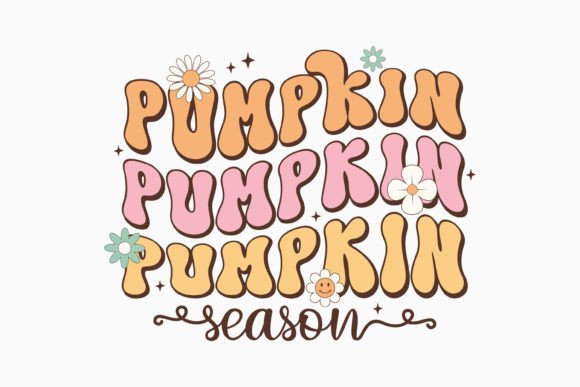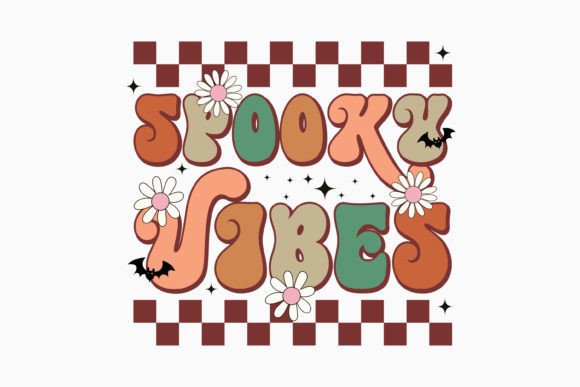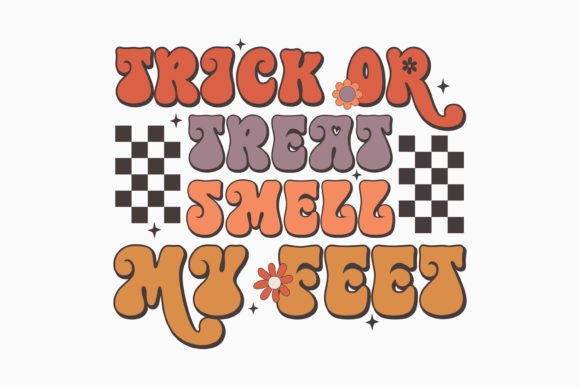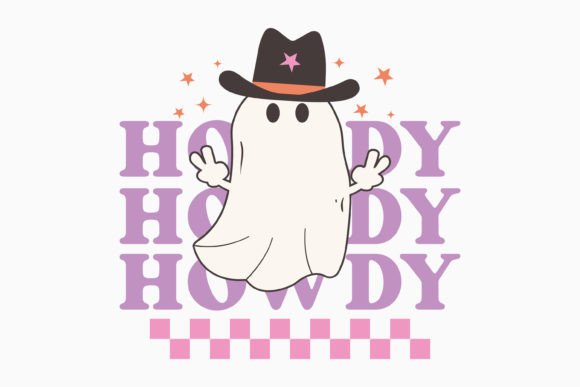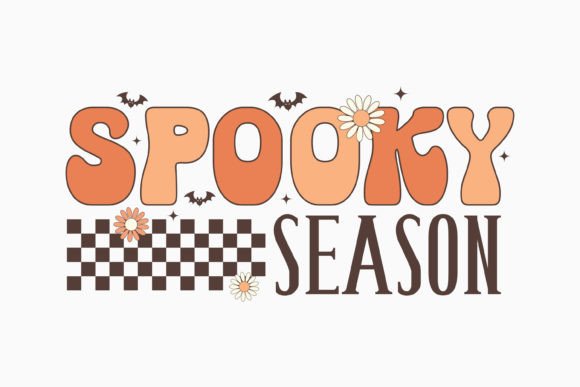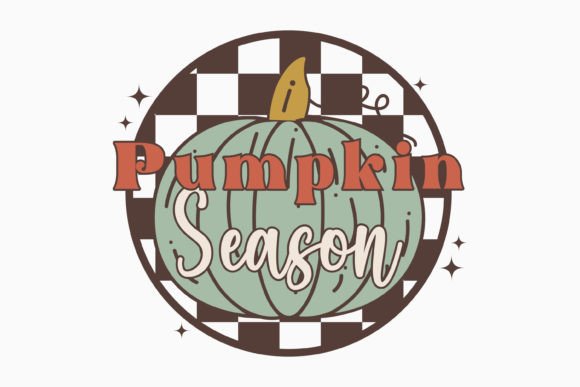
Halloween Pumpkin Season Retro Svg Review
As a professional embroidery digitizer and product reviewer, I approach every new machine embroidery design with a healthy dose of skepticism. The market is flooded with graphics that look stunning on a screen but fail catastrophically under the needle. When evaluating the Halloween Pumpkin Season Retro Svg for real-world application, my primary concern is not just its aesthetic appeal as a digital graphic, but its structural integrity as an embroidery file. This design falls squarely into the Crafts and Graphics categories, promising versatility for t-shirts, posters, and mugs. However, for those of us running a craft business or managing an Etsy shop, the true test lies in how this retro aesthetic translates to thread, fabric, and finished merchandise.
First Impressions: Retro Charm Meets Stitch Reality
My initial assessment of the Halloween Pumpkin Season Retro Svg reveals a design that captures a specific nostalgic mood. The retro style typically implies bold lines, warm color palettes, and perhaps some distressed textures. Visually, it feels inviting and perfect for autumn merchandise. As a digital embroidery file, the inclusion of EPS and SVG formats at 300dpi is a strong starting point. These vector-based source files are essential because they allow us to verify line quality before we ever commit to stitching. Unlike raster images that pixelate when resized, these vectors should theoretically scale cleanly for everything from a small embroidered patch to a large sweatshirt embroidery project.
The description notes "100 Color Changeable" and "Possible and easy change color." From a designer’s perspective, this suggests the artwork is layered logically. For embroidery, this is critical. If the pumpkin, the text, and the background elements are not separated into distinct paths, recoloring becomes a nightmare. Assuming the file is properly constructed, this feature allows us to adapt the design for different fabric backgrounds without losing contrast. A design that works on a cream tote bag might disappear on a navy sweatshirt unless we can easily adjust the thread colors to maintain visual hierarchy.
Real-World Application: The Custom Sweatshirt Test
To truly judge this asset, I mentally placed it into a current production scenario: creating a line of vintage-style crewneck sweatshirts for a boutique client. This is a high-stakes custom apparel project where stitch clarity defines perceived value. The retro pumpkin theme is ideal for this demographic, but sweatshirt fleece is a challenging substrate. The pile of the fabric can swallow fine details.
In this scenario, the Halloween Pumpkin Season Retro Svg needs to be evaluated for stitch density. If the original graphic has thin, sketchy lines typical of retro art, they may need to be converted to satin stitches or thicker running stitches to prevent them from sinking into the fleece. The "ready to print" claim is excellent for DTF or sublimation, but for embroidery, we must ensure the design has enough open space. Overly dense fill areas on a sweatshirt can create a bulletproof patch effect that causes puckering and discomfort. I would use this design as a centerpiece on the chest or back, ensuring the hoop size selected provides adequate tension without distorting the garment's drape.
Navigating Fabric Limitations and Hoop Constraints
While the Halloween Pumpkin Season Retro Svg offers broad potential, experienced makers know that context dictates success. There are specific environments where this design requires caution:
- Stretchy Fabrics: If applying this to baby onesies or performance wear, the retro elements must be stabilized aggressively. Complex retro shading can become distorted if the stabilizer choice is inadequate. I recommend testing on scrap fabric identical to your final product before committing to a full run.
- Small Hoop Sizes: Retro designs often rely on texture and detail. Scaling this down for a 4x4 hoop or a cap frame may result in lost definition. Tiny lettering or intricate pumpkin faces may need to be simplified or removed entirely to remain legible as a finished product.
- Textured Surfaces: For items like tea towels or canvas tote bags, the design’s contrast is paramount. A low-contrast retro palette that looks subtle on screen may vanish on natural linen. Always test thread colors against the actual fabric, not just a digital mockup.
- Curved Surfaces: If using this for hat embroidery, the flat nature of an SVG must be accounted for. Distortion correction is necessary to prevent the pumpkin or quote from warping around the curve of the cap.
Commercial Viability for Makers and Sellers
For the Etsy seller or small shop owner, the Halloween Pumpkin Season Retro Svg represents more than just a pretty picture; it is a revenue driver. The ability to easily change colors means one purchase can yield multiple SKUs. You could offer a classic orange version, a muted boho version, and a neon retro version, all from the same base design assets. This efficiency is vital for maximizing ROI on digital products.
However, professionalism hinges on execution. Customers trust handmade goods because of their quality, not despite it. If the applique design edges are fraying or the registration is off because the file wasn't optimized for embroidery, that trust erodes. Before listing any personalized gift or commercial item featuring this design, you must confirm the licensing terms. Does the "Source File Included" note grant commercial embroidery rights, or only printing rights? Never assume. Verify that you are legally cleared to sell physical embroidered goods derived from this graphic.
Essential Designer Notes for Successful Execution
Based on my review of similar retro assets and the specifications provided, here are my practical recommendations for integrating the Halloween Pumpkin Season Retro Svg into your workflow:
- Verify Vector Integrity: Open the EPS/SVG in your embroidery software or vector editor first. Ensure there are no stray nodes or overlapping paths that could cause unnecessary jumps or trims during stitching.
- Test Stitch Density: Do not rely solely on auto-digitizing. Retro art often requires manual adjustment to balance coverage with fabric hand. Check if the fill stitches are directional and appropriate for the intended fabric texture.
- Mockup Realistically: Use printable mockup templates that show fabric grain and shadow. A flat digital preview does not represent how thread reflects light. Compare light and dark fabric backgrounds to ensure the design pops in both contexts.
- Stabilizer Strategy: Match your stabilizer to the end use. A tote bag design might need cutaway mesh for durability, while a baby embroidery project demands soft tear-away to protect sensitive skin.
- Wash Testing: If selling holiday embroidery items that will be laundered frequently (like kitchen towels or kids' clothes), wash-test your sample. Retro distress effects can sometimes unravel if not secured with proper underlay or edge finishes.
Final Verdict on Design Utility
The Halloween Pumpkin Season Retro Svg holds significant promise for the upcoming season. Its retro aesthetic aligns perfectly with current market trends in commercial embroidery and personalized crafts. The inclusion of high-resolution source files and color-change capability makes it a versatile asset for creative entrepreneurs. However, its success depends entirely on the maker's willingness to treat it as a foundation rather than a final solution. By respecting the technical demands of satin stitch, fill stitch, and fabric interaction, you can transform this digital graphic into a high-value handmade product that delights customers and strengthens your brand. Always prioritize testing and verification to ensure your embroidery project meets the professional standards your business deserves.