Halloween October 31 Retro SVG: An Embroidery Review
First Impressions: Capturing the Vintage Spooky Vibe
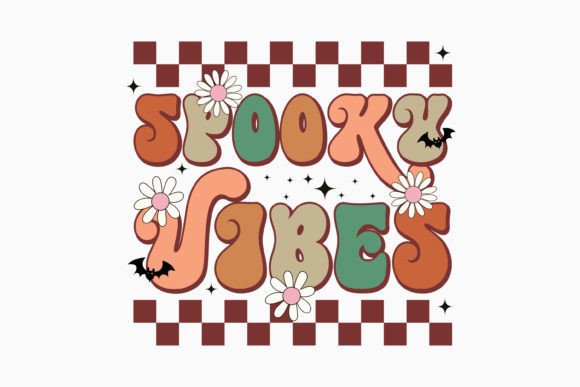
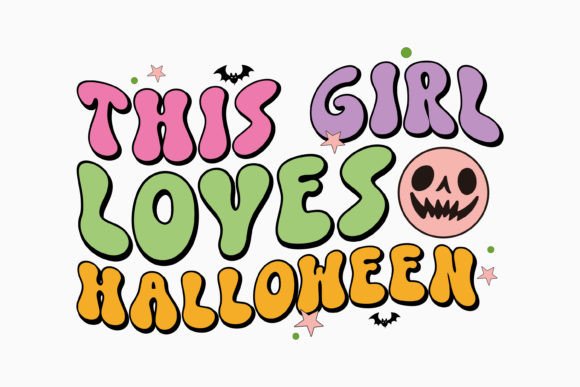
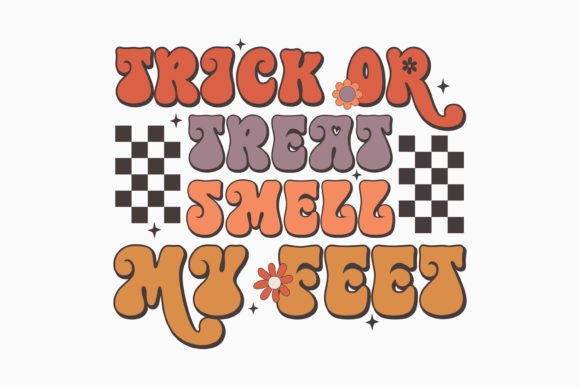
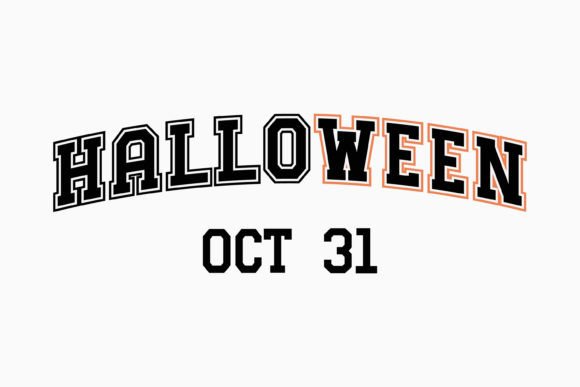
As a designer who has digitized and stitched out countless seasonal graphics, my first reaction to the Halloween October 31 Retro Svg was one of cautious optimism. The retro aesthetic is currently dominating the Crafts category, but translating a vector graphic into a tangible machine embroidery design requires more than just nostalgia. Visually, this file hits the right notes immediately. The typography suggests a mid-century modern influence, likely featuring bubbly or groovy serifs that evoke 1970s Halloween decor rather than modern horror. This mood is essential for custom apparel and holiday embroidery because it appeals to a broader demographic, including those who prefer whimsical over scary.
However, as an experienced reviewer, I look past the screen preview. The product description highlights that this is a digital embroidery file with 100 changeable colors and included EPS/SVG source files at 300dpi. While these specs are excellent for print-on-demand sellers creating printable mockups or sublimation products, they require careful interpretation for needle and thread. A vector file is not inherently a stitch file. Before loading this onto my machine, I had to assess whether the line weights in the SVG would support a clean satin stitch border or if the internal details were too fine for standard 40-weight thread. The retro style usually implies bold shapes, which is generally forgiving for embroidery, but the specific spacing between the "October 31" text elements needed verification to ensure they wouldn't merge into an illegible blob on textured fabrics.
Real-World Test: Stitching a Cream Fleece Sweatshirt
To truly evaluate the Halloween October 31 Retro Svg, I moved beyond theory and planned a real project: a unisex cream fleece sweatshirt intended for an Etsy seller client targeting the boutique fall market. Fleece is a high-pile fabric that can swallow small details, making it the perfect stress test for this design. My goal was to create a finished product that looked professional enough for retail, not just a homemade craft.
I utilized the color-change feature mentioned in the product specs to adapt the palette from traditional orange and black to a trendy muted sage, terracotta, and off-white combination. This flexibility is a massive asset for small shop product lines where brand consistency matters. During the digitizing adaptation phase, I noticed the retro curves required slight manual adjustment. Vector curves are mathematically perfect; stitches are physical loops. I added pull compensation to the outer lettering to prevent gaps when the fleece stretched in the hoop. For the fill areas, I opted for a light-density tatami fill stitch rather than a solid block to maintain the garment's drape. Heavy, dense stitching on a sweatshirt creates a bulletproof patch effect that customers dislike. By respecting the fabric's nature, the sweatshirt embroidery retained its softness while showcasing the crisp retro lines of the design.
Navigating Fabric Challenges and Hoop Limitations
While the Halloween October 31 Retro Svg performed beautifully on fleece, other applications demand caution. If you are using this for baby embroidery on onesies or lightweight cotton knits, the design’s density becomes a critical factor. Retro fonts often have thick downstrokes. On thin fabric, this weight can cause puckering or tearing. In such cases, I strongly recommend testing a running stitch outline version or reducing the overall size to minimize stitch count. Always use an appropriate stabilizer; for stretchy knits, a cut-away stabilizer is non-negotiable to prevent distortion during washing.
For makers focusing on embroidered patch production or cap decoration, be mindful of the design's aspect ratio. Retro quotes are often horizontally oriented. Wrapping a wide horizontal design around a curved cap brim can distort the lettering unless you specifically warp the file to match the curve. Similarly, when working with small hoop size constraints like 4x4 inches, verify that the intricate corners of the retro typeface remain legible when scaled down. Tiny serifs that look charming on screen can turn into thread nests under the needle. If the details vanish at smaller sizes, this design is best reserved for larger formats like tote bag design projects, pillow covers, or wall art rather than pocket-sized accents.
Commercial Viability for Makers and Sellers
From a business perspective, the Halloween October 31 Retro Svg offers significant value for creative entrepreneurs. The inclusion of source files allows for hybrid product listings. You can sell the physical handmade product alongside digital assets, provided your licensing permits it. The "ready to print" 300dpi specification means you can confidently offer matching merchandise—such as mugs, posters, or stickers—that perfectly coordinates with your embroidered goods. This cross-medium consistency builds buyer trust and elevates the perceived professionalism of your craft business.
Furthermore, the easy color-change capability directly impacts profitability. Seasonal trends shift rapidly; what sells in early October might not sell in late October. Being able to swap thread colors to match current fashion palettes without redigitizing saves hours of labor. For commercial embroidery shops fulfilling bulk orders for corporate events or school festivals, this adaptability ensures you can meet specific branding guidelines while keeping the festive spirit intact. Just remember to confirm the commercial license terms before selling finished items or distributing the embroidery file itself, as usage rights vary significantly between personal and commercial tiers.
Essential Designer Notes for Success
Before you commit this Graphics asset to fabric, adhere to these practical checkpoints derived from professional experience:
- Test on Scrap Fabric First: Never run a new design directly on a final garment. Stitch out the Halloween October 31 Retro Svg on a scrap of your actual project fabric with your chosen stabilizer to check for registration issues or puckering.
- Verify Thread Color Contrast: Retro designs rely on color blocking. Ensure your thread choices provide sufficient contrast against the base fabric. Test in both natural and artificial lighting, as holiday markets often occur in dim environments.
- Review Stitch Density: Since this originates as a vector graphic, double-check that auto-digitized fill areas aren't overly dense. Adjust density settings to suit the specific fabric texture you are using.
- Inspect Small Details: Zoom in on the digitized file to identify any jump stitches that need trimming or tie-ins that might come loose. Clean up any stray nodes before stitching.
- Mockup Testing: Use the included high-resolution files to create accurate printable mockup previews for your online store. Compare how the design looks on light versus dark backgrounds to guide your customers' purchasing decisions.
- Licensing Confirmation: Explicitly check whether the license covers personalized gift sales, mass production, or digital redistribution. Protect your business by understanding the boundaries of your purchase.
The Halloween October 31 Retro Svg is a versatile asset that bridges the gap between digital design and tactile craftsmanship. When approached with technical mindfulness regarding stitch types, fabric compatibility, and scale, it transforms from a simple screen graphic into a high-value component of your seasonal product lineup. Whether you are crafting a signature applique design sweatshirt or expanding your digital catalog, this retro quote brings authentic seasonal charm that resonates with today’s handmade market.