This Girl Loves Halloween Retro SVG: An Embroidery Review
As a professional embroidery digitizer and product reviewer, I approach every new graphic asset with a specific question: will this actually stitch out well on fabric? When evaluating the This Girl Loves Halloween Retro Svg, my focus shifts immediately from screen aesthetics to needle performance. While this file is marketed as a versatile graphic for t-shirts, posters, and mugs, its true value for makers lies in its adaptability for textile arts. The retro aesthetic is currently dominating the handmade market, but translating a vector graphic into a tangible machine embroidery design requires careful consideration of line weight, color blocking, and fabric interaction.
First Impressions: Retro Charm Meets Stitch Logic
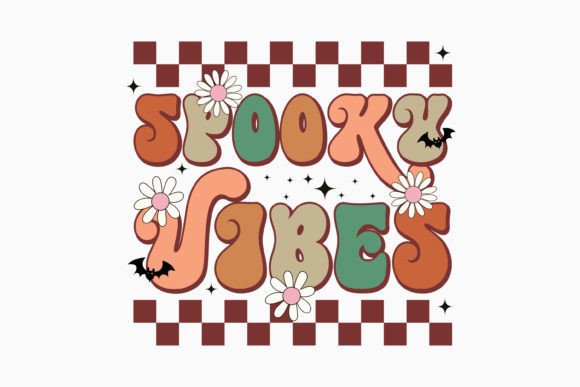
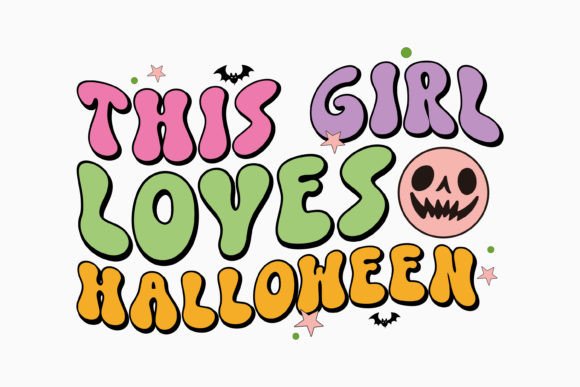
Upon opening the source files, the first thing that stands out is the nostalgic mood. The layout suggests a classic badge or typographic lockup typical of 70s and 80s Halloween memorabilia. For an Etsy seller or boutique owner, this visual personality is gold because it triggers immediate emotional recognition. However, from a technical standpoint, I am looking at how these retro curves will translate to thread. The design features bold shapes that are ideal for conversion. Unlike intricate vintage engravings that can become muddy when stitched, this graphic relies on solid forms and clear negative space.
The inclusion of both EPS and SVG formats at 300dpi is a significant advantage for those of us who digitize our own embroidery files. High-resolution vectors mean I can zoom in to inspect anchor points without pixelation, ensuring that when I assign satin stitch columns or fill stitch patterns, the edges remain crisp. The "100 Color Changeable" feature mentioned in the product specs is particularly relevant here. In embroidery, we aren't just changing hex codes; we are planning thread breaks. A design that allows for easy color separation makes it significantly easier to map out a logical stitching sequence, reducing unnecessary trims and jump stitches in the final embroidery project.
Real-World Application: The Custom Sweatshirt Test
To truly judge this asset, I mentally placed it in a real production scenario: creating a custom unisex sweatshirt for a fall capsule collection. Sweatshirt fleece is a forgiving but textured fabric, making it the perfect candidate for this retro Halloween quote. In this context, the design serves as a centerpiece for custom apparel. Because the graphic has a distinct shape, it works beautifully as a chest placement or a centered torso design.
For this specific application, I would likely treat the main text elements as filled satin columns to give them a raised, tactile quality that mimics vintage chenille patches. The surrounding decorative elements could be handled with lighter running stitch details to prevent the design from becoming too stiff or bulletproof. This balance is crucial for wearer comfort. If you are running a craft business focused on holiday merchandise, this design offers enough visual weight to justify a premium price point while remaining comfortable enough for all-day wear. It bridges the gap between a novelty item and a fashionable wardrobe staple, which is essential for customer retention and brand consistency.
Navigating Fabric Variables and Hoop Constraints
While the This Girl Loves Halloween Retro Svg is versatile, it demands respect for material limitations. Not every fabric is suitable for retro graphics. I advise caution when attempting this design on thin, stretchy knits like lightweight jersey or rayon spandex. The density required to make retro lettering pop can cause puckering on unstable fabrics unless you use a heavy-duty cutaway stabilizer and potentially a topping to prevent stitches from sinking into the weave.
Furthermore, consider your hoop size before committing to a project. Retro designs often have wide aspect ratios. If you are working with a standard 4x4 hoop, you may need to resize or rearrange the elements, which can alter the intended vintage proportion. Always verify the dimensions against your machine’s capabilities. For smaller items like baby onesies or caps, the detail level might need reduction. Tiny serifs or thin connecting lines in retro fonts can disappear or break needles if scaled down too aggressively. In these cases, simplifying the vector art before digitizing is better than forcing a complex digital embroidery file into a space it cannot physically occupy.
Color Strategy and Commercial Viability
The ability to easily change colors is where this asset shines for commercial embroiderers. Halloween palettes are expected—orange, black, purple, lime green—but the retro style invites more sophisticated combinations. For a high-end handmade product, consider using muted terracotta, cream, and slate grey threads instead of neon brights. This subtle shift can transform a generic holiday shirt into a trendy, year-round aesthetic piece that appeals to adult buyers rather than just children.
When preparing printable mockups for your online listings, ensure your digital previews accurately reflect thread sheen and texture. Customers trust sellers who show realistic representations. Since this file includes source vectors, you can create accurate colorway variations for your shop photos without re-digitizing. This efficiency is vital for small shop product launches where time is money. Just remember to confirm the licensing terms regarding commercial use of finished goods versus selling the digital file itself. Protecting your business means respecting intellectual property while maximizing the utility of legitimate design assets.
Essential Designer Notes for Success
Before loading this design into your machine for a client order or personal gift, run through this practical checklist to ensure professional results:
- Test Stitch First: Never skip the sew-out on scrap fabric that matches your final project's weight and texture. Verify that the stitch density provides full coverage without perforating the material.
- Check Contrast: Retro designs rely on bold contrast. Test your thread colors against both light and dark fabric backgrounds. What looks good on screen might lack definition in thread form.
- Stabilizer Selection: Match your backing to the fabric. Use tear-away for stable wovens like canvas tote bags, and cut-away for stretchy apparel. For plush fabrics like minky or towels, always use a water-soluble topping.
- Detail Inspection: Zoom in on the vector file to identify any open nodes or overlapping paths that could cause registration issues during embroidery. Clean up the art before assigning stitch types.
- Licensing Verification: Double-check whether the license permits commercial embroidery on physical products versus digital redistribution. Clarity here prevents future legal headaches for your Etsy seller account.
- Mockup Accuracy: Create black and white test prints to evaluate value contrast independent of color. If the design reads well in grayscale, it will stitch clearly regardless of thread hue.
Final Thoughts on Value and Versatility
The This Girl Loves Halloween Retro Svg represents a strong foundation for seasonal Crafts and Graphics projects, provided it is treated with technical intentionality. Its strength lies in its clean geometry and nostalgic appeal, both of which translate exceptionally well to needle and thread. Whether you are producing personalized gifts for friends, stocking your boutique with holiday apparel, or expanding your digital catalog, this design offers a reliable starting point.
Success in embroidery isn't just about owning the file; it's about understanding how that file interacts with the physical world. By respecting fabric limitations, planning your color strategy, and validating your stitch parameters through testing, you elevate this graphic from a simple download to a premium finished product. For the serious maker, that distinction is what builds a sustainable brand and delighted customers who return season after season.