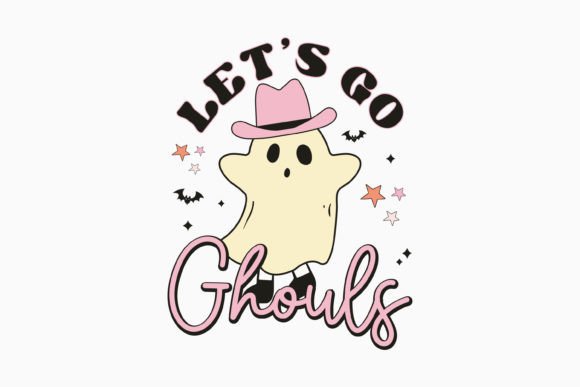
Let's Go Ghouls Retro SVG: An Embroidery Review
As a professional embroidery digitizer and product reviewer, I approach every new graphic asset with a specific question: will this actually stitch out well, or is it just a pretty screen image? When evaluating the Let s Go Ghouls Halloween Retro Svg, my primary focus is translating this digital vector into a tangible, high-quality embroidered product. This design falls squarely within the Crafts and Graphics categories, but for those of us running a craft business or managing commercial embroidery orders, its value lies entirely in its structural integrity and adaptability to fabric.
The retro aesthetic is currently dominating the handmade market, particularly for Etsy sellers and boutique owners focusing on seasonal apparel. However, "retro" in a vector file does not automatically guarantee a successful machine embroidery design. My review below breaks down how this specific SVG performs when moved from a computer screen to an embroidery hoop, specifically for real-world applications like custom sweatshirts and tote bags.
First Impressions: Visual Mood and Structural Integrity
Upon opening the source files (EPS and SVG at 300dpi), the first thing I assess is the line quality. The Let s Go Ghouls Halloween Retro Svg features clean, distinct paths which is a promising sign for digitizing. The mood is undeniably nostalgic, evoking vintage Halloween postcards rather than modern horror. For a designer, this distinction matters because vintage styles often rely on distressed textures that can be problematic in embroidery if not handled correctly.
The layout is balanced, making it suitable for center-chest placement on sweatshirt embroidery or as a primary focal point on a tote bag design. The typography appears bold enough to support satin stitch columns without becoming too thin, though I would advise checking the smallest text elements. In retro graphics, lettering often has intentional gaps or rough edges; while charming in print, these can cause thread breaks or registration issues if the stitch density isn't adjusted during the digitizing process.
Real-World Application: The Custom Sweatshirt Test
To truly evaluate this asset, I mentally ran through a recent client project involving a batch of unisex crewneck sweatshirts for a local fall festival. The goal was a wearable, soft-hand feel that didn't look like a stiff patch. Here is how the Let s Go Ghouls Halloween Retro Svg fits into that workflow:
- Fabric Compatibility: On fleece-backed sweatshirt material, the design requires adequate underlay to prevent the stitches from sinking into the pile. Because this is a retro quote design, maintaining legibility against a textured background is paramount.
- Stitch Type Selection: The bold lettering in this SVG lends itself beautifully to satin stitch borders combined with fill stitch interiors. However, if you are aiming for a true vintage look, consider converting some fill areas to running stitch or bean stitch to reduce bulk and increase garment drape.
- Color Change Strategy: The product notes mention "100 Color Changeable." While versatile, excessive color changes kill production efficiency. For this specific retro palette, I recommend limiting the design to three or four thread colors to maintain that authentic, limited-edition screen-print vibe while keeping the embroidery file commercially viable.
For small shop products or holiday gifts, this versatility allows you to offer the same core design in multiple colorways without redigitizing, simply by swapping thread spools. This efficiency is crucial for Etsy sellers managing high-volume seasonal orders.
Critical Considerations for Hoop Size and Fabric Texture
Not every project is a sweatshirt. When adapting the Let s Go Ghouls Halloween Retro Svg for smaller or more challenging items, caution is required. As an experienced reviewer, I must highlight where this design demands extra attention:
Small Hoops and Detailed Corners
If you plan to use this for baby embroidery, caps, or sleeve cuffs, you cannot simply shrink the full-size SVG. Retro fonts often have intricate serifs or decorative flourishes that turn into thread nests when scaled below 3 inches. You may need to simplify the vector nodes before creating the digital embroidery file for these applications. Always verify that the smallest lettering remains readable after resizing.
Stretchy and Thin Fabrics
For t-shirts or lightweight knits, stitch density becomes the enemy of comfort. A dense retro fill can create a "bulletproof vest" effect on thin cotton. I strongly suggest testing a low-density version or utilizing an applique design technique where appropriate to keep the finished product soft. Proper stabilizer selection—likely a cut-away for stretchy knits—is non-negotiable here to prevent puckering around the quote.
Dark vs. Light Backgrounds
Retro designs often assume a light background. If stitching on black or navy garments, ensure your digitized version includes sufficient contrast. White or cream underlay is essential to make the colors pop and prevent the dark fabric from showing through lighter thread colors. Test this on scrap fabric first; what looks vibrant on a white printable mockup might disappear on a dark hoodie.
Professional Designer Notes for Commercial Success
Whether you are creating personalized gifts, boutique branding assets, or selling the finished embroidered items, professional execution builds customer trust. Here are my practical recommendations for using this asset effectively:
- Verify Licensing for Commercial Use: Before listing any finished product or digital embroidery file derived from this SVG, confirm the license terms. Just because a file is editable does not always mean it is cleared for commercial embroidery sales. Protect your craft business by reading the fine print.
- Create Accurate Mockups: Use the included 300dpi source files to create realistic printable mockups for your listings. However, do not rely solely on digital previews. Stitch a physical sample to photograph. Customers can tell the difference between a flat digital rendering and a photo of actual stitches catching the light.
- Test Stitch Density: Since exact stitch counts are not provided with this vector asset, you must generate and test them yourself. Run a sew-out on the exact fabric you intend to sell. Check for thread tension issues, especially in tight corners of the retro lettering.
- Optimize for Production: If using this for commercial embroidery batches, sort your color changes to minimize machine stops. Group similar elements together even if it deviates slightly from the visual layer order in the SVG. Efficiency equals profit in apparel decoration.
Elevating Product Value Through Thoughtful Execution
The Let s Go Ghouls Halloween Retro Svg is a strong contender for seasonal collections, but its success depends entirely on the maker's technical skill. A poorly digitized version will result in stiff, unreadable, or breaking designs that damage your brand reputation. Conversely, a thoughtfully adapted embroidery project respects both the original art and the end-user's comfort.
When executed correctly, this design bridges the gap between trendy digital graphics and timeless handmade quality. It offers excellent potential for custom apparel, embroidered patches, and holiday merchandise. By treating this SVG as a blueprint rather than a final product, and by rigorously testing your stitch parameters against real fabrics, you transform a simple download into a premium, sellable asset. Remember, in the world of machine embroidery, the best design is one that survives the wash and feels as good as it looks.