Half Human Half Coffee Retro Svg: An Embroidery Review
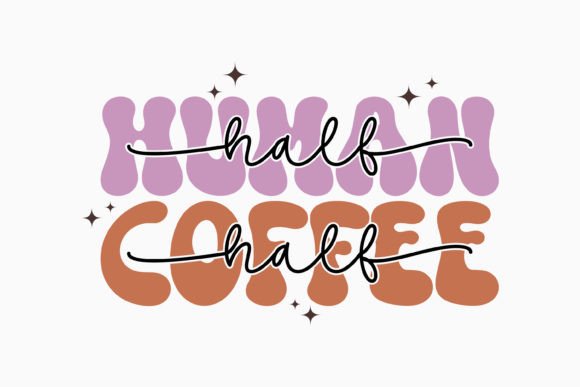
As a professional embroidery digitizer and product reviewer, I approach every new graphic with a specific question: will this actually stitch out well on fabric? When evaluating the Half Human Half Coffee Retro Svg, my immediate focus is on how this digital asset translates from a screen to a tangible, textured surface. This design falls squarely into the popular retro aesthetic that currently dominates the handmade market, but its utility for machine embroidery depends entirely on structural integrity and adaptability. For Etsy sellers and apparel decorators, this isn't just a cute quote; it is a potential bestseller if executed with technical precision.
First Impressions and Structural Viability
My first impression of the Half Human Half Coffee Retro Svg is that it possesses the bold, simplified geometry necessary for successful needlework. Retro designs often rely on chunky typography and distinct color blocking, which are ideal characteristics for an embroidery file. Unlike intricate vintage illustrations that can become muddy when stitched, this graphic appears to have clean lines that should accommodate satin stitch borders and fill stitch interiors without excessive density issues.
The mood is undeniably playful and relatable, targeting the coffee-loving demographic that drives significant sales in custom apparel and personalized gifts. However, as a designer, I appreciate that the layout seems balanced. The integration of text and iconography suggests that the digitizing process won't require massive reworking to prevent puckering. The inclusion of source files like EPS and SVG at 300dpi is a critical advantage here. While these are primarily print formats, having high-resolution vector sources allows me to verify line smoothness before importing into embroidery software. It ensures that when I convert curves for stitching, they remain fluid rather than jagged.
Real-World Application: The Canvas Tote Bag Test
To truly judge this design, I mentally placed it onto a real project scenario: a natural canvas tote bag intended for a local coffee shop’s merchandise line. Tote bags are a staple craft business item, but the fabric texture can be unforgiving. Canvas has a visible weave that can swallow fine details. In this context, the Half Human Half Coffee Retro Svg performs exceptionally well because of its inherent boldness.
For this specific embroidered patch or direct-to-garment application, I would utilize a cutaway stabilizer to support the weight of the stitches on the unstructured fabric. The retro color palette likely requires distinct thread colors to maintain that nostalgic vibe. Because the product description notes "100 Color Changeable," I have the flexibility to adjust the thread colors to match the coffee shop’s branding exactly. This level of customization is what separates a generic stock design from a premium commercial embroidery offering. On a sweatshirt or hoodie, this same design would serve as a strong center chest piece, where the retro font remains legible even from a distance.
Navigating Fabric Limitations and Hoop Sizes
While the design is versatile, experienced makers know that not all substrates are created equal. I must advise caution when applying the Half Human Half Coffee Retro Svg to stretchy knits or lightweight baby clothes without proper preparation. Retro fonts often involve dense column stitches. If you attempt this on a thin t-shirt without adequate stabilizer, the fabric will tunnel, and the design will distort after the first wash.
Furthermore, consider your hoop size limitations. If you are working with a small 4x4 hoop, you may need to scale down the design. Before doing so, inspect the smallest lettering. There is a minimum height for readable embroidery text; if scaling down reduces the letters below 6mm, the satin stitch columns will merge, creating illegible blobs. In such cases, this design is better suited for larger items like pillow covers, kitchen towels, or aprons where the full scale can be maintained. For curved surfaces like caps, verify that the design’s aspect ratio fits the limited vertical space of a hat frame. You might need to separate the text from the graphic element to create a cohesive cap design without overcrowding the front panel.
Enhancing Product Value and Customer Trust
In the competitive landscape of digital product sellers and handmade shops, presentation is everything. Using a high-quality graphic like the Half Human Half Coffee Retro Svg signals professionalism. Buyers can spot a poorly digitized design instantly; loose registration, gapping outlines, and uneven fill patterns destroy trust. Because this asset includes editable source files, you ensure that your final embroidered patch or custom apparel looks crisp and intentional.
This attention to detail directly impacts perceived value. A tote bag featuring a sharp, well-aligned retro coffee quote commands a higher price point than one with a fuzzy, amateurish stitch-out. For Etsy sellers, this design also serves as excellent content for printable mockups. Before committing to physical production, use the SVG file to create realistic digital previews for your listings. This allows you to test market interest and showcase color variations without wasting thread and stabilizer. When customers see a polished visual representation alongside photos of the actual finished product, their confidence in your brand consistency increases significantly.
Essential Technical Notes for Makers
Before loading this design into your machine, adhere to these practical protocols to ensure success across various projects:
- Test Stitch Always: Never run this design on a final garment first. Use scrap fabric similar to your target material to check tension and registration.
- Verify Licensing: Confirm whether your purchase includes commercial rights for selling finished physical products versus digital files. This distinction is vital for craft business compliance.
- Check Stitch Density: If using the provided vectors to auto-digitize, manually review the density settings. Retro styles look best with slightly looser fills to prevent bulletproof stiffness on apparel.
- Contrast Testing: Test thread colors against both light and dark fabrics. Retro palettes can sometimes lack contrast on cream-colored tea towels or black sweatshirts. Adjust brightness as needed.
- Stabilizer Selection: Match your backing to the fabric weight. Use tear-away for stable wovens like denim aprons, and cut-away for stretchy sweatshirt embroidery to prevent distortion over time.
- Detail Inspection: Zoom in on the vector nodes. Ensure there are no overlapping paths that could cause double-stitching or thread breaks during production.
Final Verdict for Creative Entrepreneurs
The Half Human Half Coffee Retro Svg represents a solid foundation for a wide range of embroidery projects. Its strength lies in its stylistic clarity and the technical benefits of included vector source files. Whether you are creating holiday embroidery for seasonal markets, designing boutique branding for a cafe, or expanding your inventory of personalized gifts, this graphic offers the necessary versatility.
However, the difference between a mediocre outcome and a stunning finished product lies in your technical execution. Treat this asset as a professional starting point, not a magic button. Respect the physics of thread and fabric, perform your due diligence with testing, and leverage the editability of the file to suit your specific niche. By combining this charming retro aesthetic with disciplined embroidery practices, you create items that customers are proud to wear, use, and gift. That intersection of digital convenience and handmade quality is exactly what sustains a thriving creative business.